The Wietexperiment: Amsterdam & the Closed Chain
A deep dive into the Dutch closed coffeeshop chain experiment. How regulated cultivation is changing the cannabis landscape.
Dave Mak
Amsterdam Cannabis Explorer
The "Wietexperiment" Explained
For decades, the Dutch cannabis policy has existed in a bizarre legal gray area known as the gedoogbeleid (tolerance policy). Under this system, the "front door" is tolerated—coffeeshops are allowed to sell cannabis to consumers. However, the "back door" is entirely illegal—the cultivation and wholesale supply of cannabis to those coffeeshops is strictly prohibited.
This contradiction means that every gram of weed sold legally in an Amsterdam coffeeshop arrived there via the black market. This has fueled organized crime, resulted in inconsistent product quality, and created a massive headache for regulators.
Enter the Closed Coffeeshop Chain Experiment (Experiment gesloten coffeeshopketen), colloquially known as the Wietexperiment.
The Goal of the Experiment
Launched officially in late 2023 and expanding through 2024 and 2025, the Wietexperiment is a historic, multi-year government trial designed to test whether a legally regulated cannabis supply chain is feasible.
The government's primary objectives are:
- Eradicate Organized Crime: By providing a legal supply route, the government aims to cut off funding to the criminal organizations currently running the "back door."
- Quality Control and Public Health: For the first time in Dutch history, cannabis sold in participating coffeeshops is tested in laboratories for THC/CBD content, pesticides, and heavy metals.
- Taxation: A fully legal chain allows the government to tax the cultivation and wholesale of cannabis, generating significant revenue.
How it Works in Practice
The experiment is tightly controlled and currently limited to specific municipalities (such as Breda and Tilburg, with others joining later). Amsterdam itself is not fully participating in the initial phases, though certain boroughs may be included as the trial expands.
Here is how the closed chain operates:
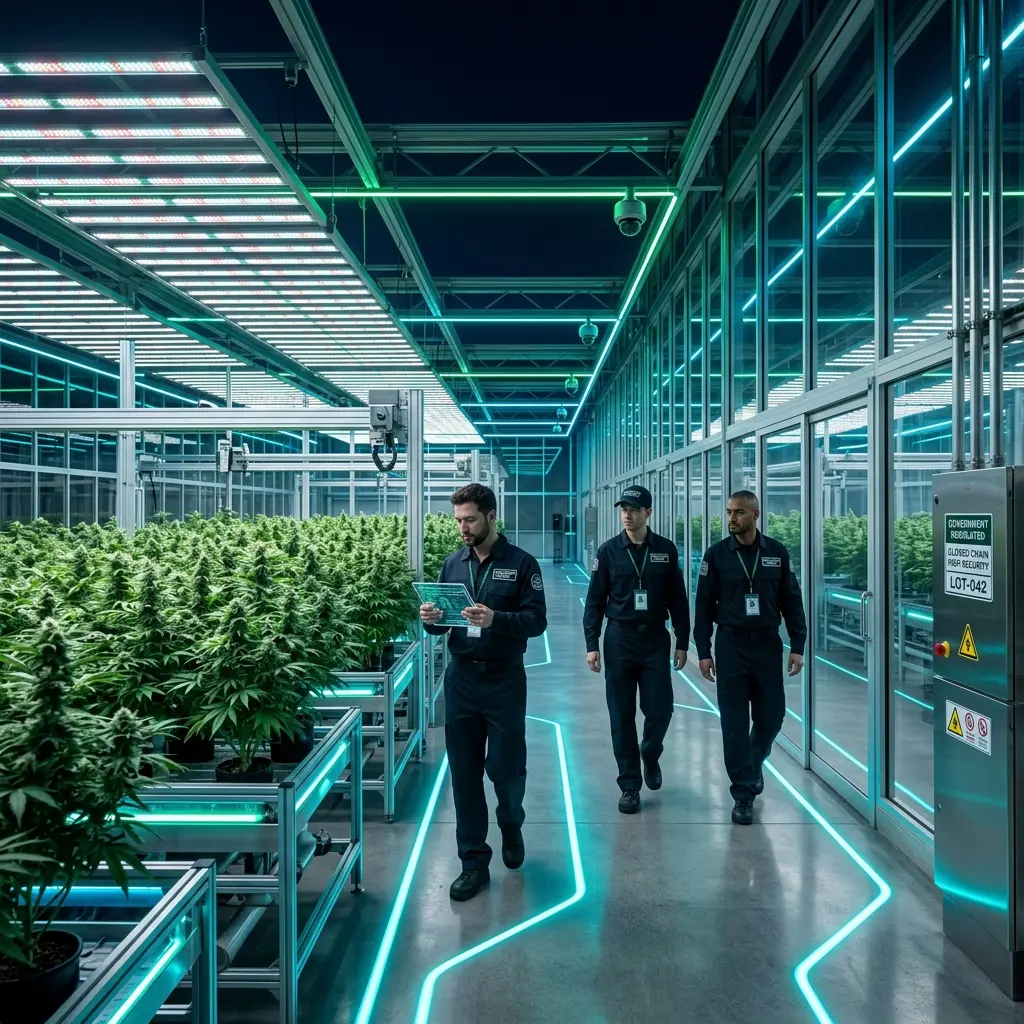
- Licensed Growers: The government has selected a small number of strictly vetted, commercial cultivators. These growers operate highly secure, state-of-the-art agricultural facilities.
- Track and Trace: Every plant is tagged and tracked from seed to sale. The entire supply chain is monitored digitally to ensure no legal weed leaks into the black market, and no black market weed enters the legal shops.
- Packaging and Labeling: Unlike the loose baggies found in traditional coffeeshops, "experiment weed" comes in standardized, child-proof packaging. Crucially, the packaging includes detailed lab results, indicating the exact percentage of THC and CBD, a harvest date, and a QR code for more information.
- The Transition Phase: Participating coffeeshops are given a transition period where they can sell both traditional "tolerated" weed and the new legally grown weed, eventually shifting entirely to the legal supply.
What This Means for Tourists (and the Future)
If you visit a coffeeshop participating in the experiment, you will notice a stark difference. The experience feels much more akin to a legal dispensary in Canada or California. You are buying a certified, tested, and branded product.
The success or failure of the Wietexperiment will determine the future of cannabis in the Netherlands. If the trial is deemed a success (reducing crime and improving public health), it will likely pave the way for nationwide legalization, finally closing the infamous "back door" and ending the era of the tolerance policy. If it fails, the country faces a difficult decision on how to manage its iconic coffeeshop culture moving forward.
Find Hotels near Amsterdam Centrum
Find the best smoker-friendly hotels and boutique stays in the Amsterdam Centrum area.